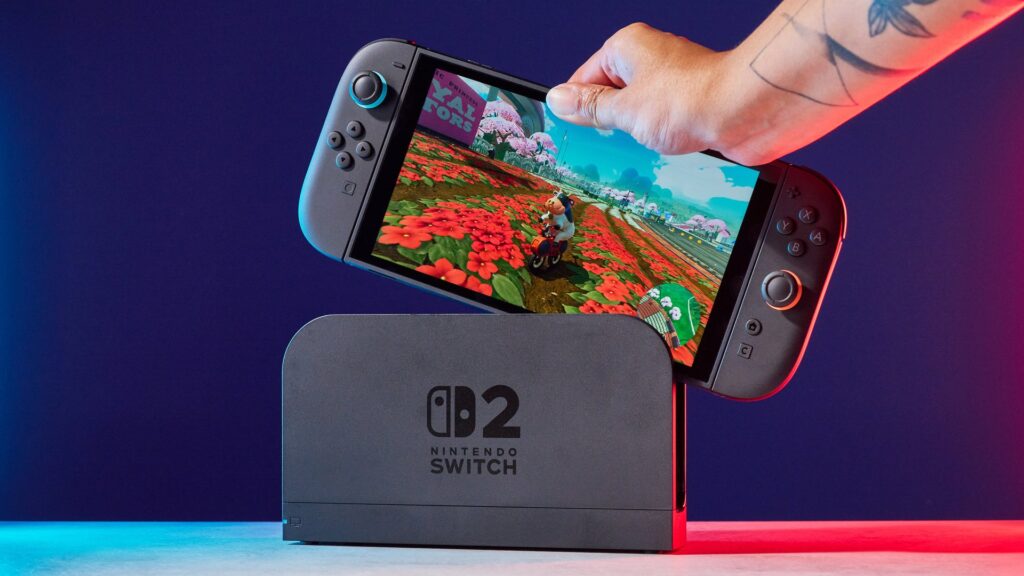
Nintendo has officially confirmed it will release a specialized version of its upcoming Switch 2 console featuring a user replaceable battery. This hardware revision is specifically designed to comply with the European Union’s new battery regulations. The confirmation arrives as tech companies scramble to adapt their product lines to the stringent EU Batteries Regulation and Right to Repair directives, which mandate that consumer electronics feature easily accessible and replaceable batteries by February 18, 2027.
Regulatory Pressure Forces Hardware Redesign
The European Union has been aggressively pushing for more sustainable consumer electronics through its Right to Repair initiatives. Under the EU Batteries Regulation, portable devices must be designed so that end users can safely remove and replace batteries using commonly available tools. Nintendo, like other hardware manufacturers, must adhere to these rules if it wishes to continue selling its products within the European market. The February 2027 deadline is absolute, forcing Nintendo to rethink the internal architecture of the Switch 2 for the region. Nintendo of Europe quietly confirmed this move, aligning the company with a growing list of tech giants altering their designs to meet regional legal standards rather than global design homogenization. This compliance is not optional. Failure to meet the 2027 deadline would result in significant financial penalties and a ban on selling the non compliant hardware within the bloc.
Technical Implications for Switch 2 and Joy-Cons
According to reports, the compliance measures extend beyond the main console. The Nintendo Switch 2 and its two accompanying Joy-Con 2 controllers will both feature replaceable lithium ion batteries easily accessed by consumers. This presents a notable engineering challenge for Nintendo. The original Switch and its Joy-Cons utilize internal lithium ion batteries secured with heavy adhesives and proprietary screws, making user replacement difficult without specialized tools and risking damage to the delicate internal ribbon cables.
Creating a user replaceable battery system for the main tablet unit likely means introducing a latch mechanism or a simplified door system, similar to older laptops or traditional cell phones. For the Joy-Con 2 controllers, the challenge is even greater due to their extremely compact form factor. Engineers must accommodate a removable battery compartment while maintaining the ergonomic shape, button layout, and structural integrity of the controller. The controllers are subject to significant physical stress during gameplay. Nintendo must ensure that the removable batteries are safe from accidental punctures, moisture ingress, or ejections during active motion controlled gaming. The new model, sometimes referred to in early discussions as an OSM variant, will need to balance rugged durability with regulatory accessibility. Furthermore, the company must ensure that third party or official replacement batteries meet strict safety certifications to prevent fire hazards.
Market Impact and Regional Availability
At present, the redesigned Switch 2 with the replaceable battery is confirmed exclusively for the European Union market. This regional exclusivity highlights the profound impact that local legislation can have on global product strategies. While environmental advocates have long pushed for universal right to repair standards, companies like Nintendo often opt for region specific hardware variations to minimize costs and maintain preferred designs in less regulated markets.
If the replaceable battery model becomes relatively easy and inexpensive to maintain, demand could pressure Nintendo to expand this hardware version beyond the EU. However, manufacturing distinct versions of the same console complicates the global supply chain. It requires separate production lines, distinct packaging, and different repair protocols. For consumers outside the EU, the standard Switch 2 will likely retain its sealed battery design, requiring professional servicing for battery degradation. This bifurcation of the product line could also affect the secondary market. Importers may seek out the EU models for their repairability, potentially creating a gray market for the hardware in regions like North America and Asia.
The Broader Context of EU Right to Repair
The EU Batteries Regulation is part of a broader legislative framework aimed at reducing electronic waste and promoting a circular economy. By mandating user replaceable batteries, the EU intends to extend the lifespan of consumer electronics. Battery degradation is one of the primary reasons devices are discarded or replaced. When users can simply swap out an aging battery for a new one, the entire device remains functional for significantly longer periods.
Nintendo has faced criticism in the past for its repair policies and the difficulty of servicing its hardware. The original Switch, in particular, suffers from stick drift and battery swelling issues that often require professional intervention or complete unit replacement. By proactively developing a compliant model ahead of the 2027 deadline, Nintendo is avoiding potential fines and market exclusion. Other tech companies have already started selling specific versions of their products that comply with these emerging rules, setting a precedent that Nintendo is now following. This legislation effectively forces a shift in how hardware manufacturers view product longevity, moving away from planned obsolescence toward sustainable design.
Consumer Reactions and Industry Trends
The initial reaction from the gaming community has been cautiously optimistic. Enthusiasts recognize the long term benefits of a user replaceable battery, especially for a hybrid console that relies heavily on portability. Over time, lithium ion batteries inevitably lose their capacity, reducing the untethered lifespan of the system. A user replaceable battery effectively future proofs the device for collectors, long term users, and parents handing devices down to younger children.
However, some consumers remain skeptical about the execution. There are concerns that the EU specific model might be bulkier, heavier, or aesthetically different from the standard version due to the required battery compartment mechanisms. Furthermore, the availability and pricing of replacement batteries will dictate the actual benefit of this redesign. If Nintendo prices proprietary replacement batteries too high, the consumer advantage diminishes significantly. The industry is watching closely to see how Nintendo navigates these hardware modifications. The success or failure of this regional model could influence future hardware designs across the sector, potentially making replaceable batteries a standard feature across all gaming hardware if other regions adopt similar right to repair legislation. For now, the EU market stands as the testing ground for the future of sustainable gaming hardware.